 Skip to content
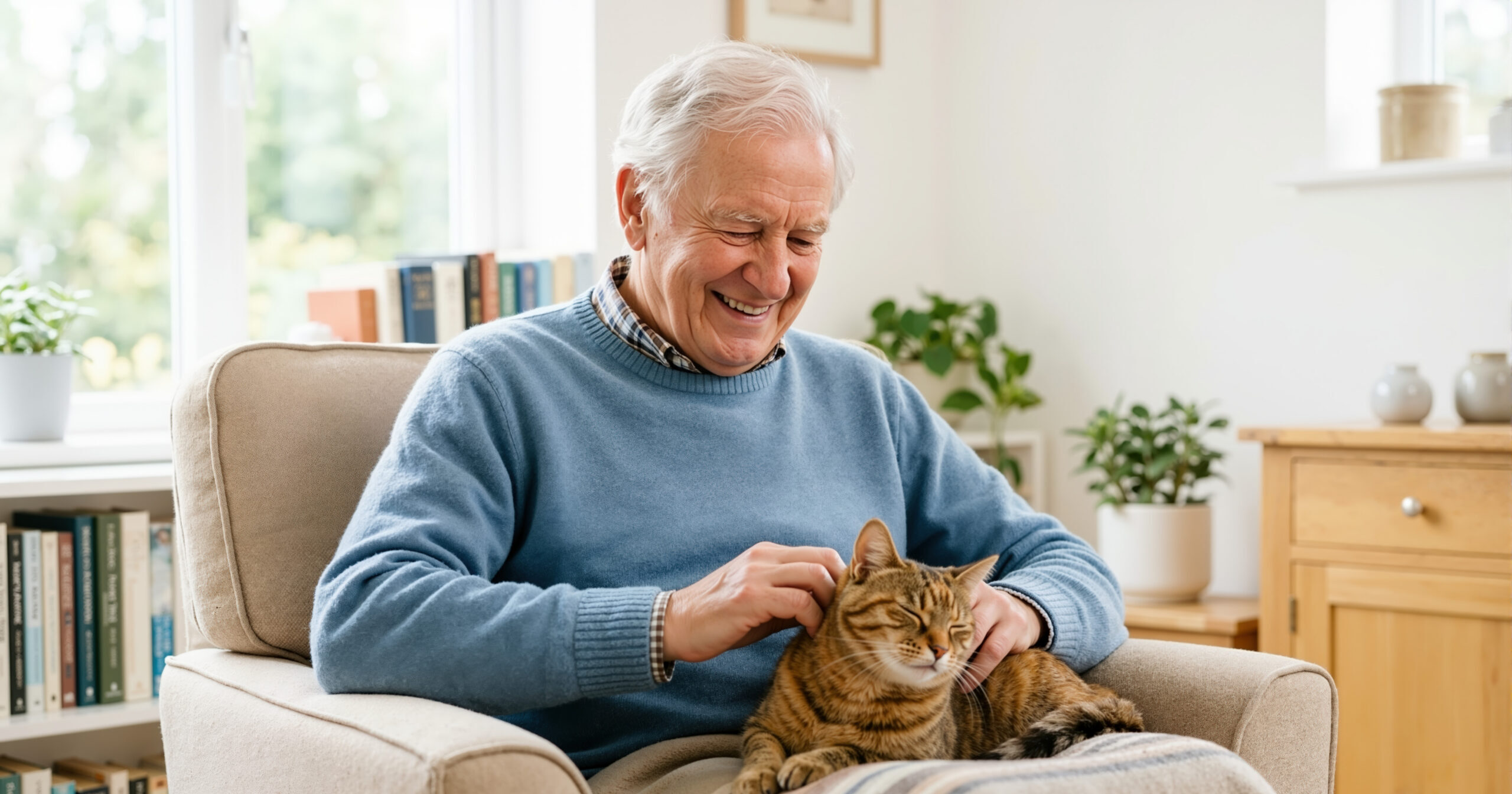
Pet therapy can be a pawsitively perfect boost that supports your emotional, cognitive, social and physical wellbeing as you age.
That’s why Capri welcomes pets at our communities. You can have visits from therapy animals, participate in formal animal therapy, and even bring your own pet to our communities.
Pet therapy, also called animal-assisted therapy, can improve your mood and reduce stress. It can also keep you physically active, support your cognitive health, help you build social connections, and give you a sense of purpose and routine.
With pet therapy, canines are often top dog, but cats, rabbits, birds and other animals can also join the pet therapy pack.
What’s more, the benefits of pet therapy go beyond cuddles and companionship.
How Pet Therapy Works
There are several ways to unleash the benefits of pet therapy.
The first is formal animal-assisted therapy structured around specific goals. Here, a trained animal and handler partners with a physical or occupational therapist, to get you moving, whether that’s walking, reaching, brushing an animal or other movements.
Animal-assisted activities are more casual. A therapy animal and handler might stop by your community to spend time with residents one-on-one or in groups. You might pet or brush the animal, take it for a short walk, toss a toy or even read and share stories with a furry friend by your side.
Finally, there is the joy of having a pet of your own. A furry friend can brighten your day, keep you moving and make your home feel more like home.
Pet Therapy Considerations
Before you run out and get a dog or sign up for pet therapy, there are a few things to keep in mind.
Make sure therapy animals, and your own pets, are healthy, vaccinated and trained. Only trained pros should handle therapy animals. Your community should also follow proper safety, allergy and infection-control practices. And most importantly, activities should be a good fit for your needs, comfort level and health.
4 Benefits to Pet Therapy
Pet therapy can benefit your mood, body, mind and social life. Here are four ways a dose of pet time can make a big difference.
- Lift Your Spirits: Research shows spending time with animals can reduce stress, anxiety, depression and loneliness. A dog or cat can calm your nerves, keep you company without saying a word and give you something to look forward to. And their antics can make you laugh, and we all know that laughter can be the best medicine.
- Pawsitive Movement: Pet therapy can get you moving without making exercise feel like a chore. Reaching to pet a dog, brushing fur, tossing a toy or heading out for a short walk adds movement to your day. The best part? You’re having fun with an animal, not counting reps.
- Fetching Memories: Animals can stir up old memories. A visit from a golden retriever might remind you of the family dog that once chased your kids around the backyard. A visit from a cat might take you back to the kitten that curled up at the foot of your bed. Those memories spark stories, and those stories can lead to wonderful conversations with family, friends and neighbors.
- Creating Connections: Animals are natural conversation starters. What’s the dog’s name? How old is she? Did you have pets growing up? Before you know it, a pet therapy visit has everyone swapping pet stories. That experience can make it easier to meet new people and make you feel more at home in your community.
Bring Your Best Friend Along
The benefits of pet therapy doesn’t have to stop when the therapy visit ends. You can have a pet of your own.
Pets offer companionship, encourage exercise, and can even be a way to connect with others. That’s why many Capri Communities welcome approved pets, including small dogs. Moving to senior living doesn’t always mean saying goodbye to a beloved companion.
Whether it’s a therapy dog stopping by to say hello or your own pet waiting for you at home, animals have a special way of getting you moving, sparking memories, connecting people and making you smile.
Sometimes the best therapy comes with four paws and a wagging tail.