 Skip to content
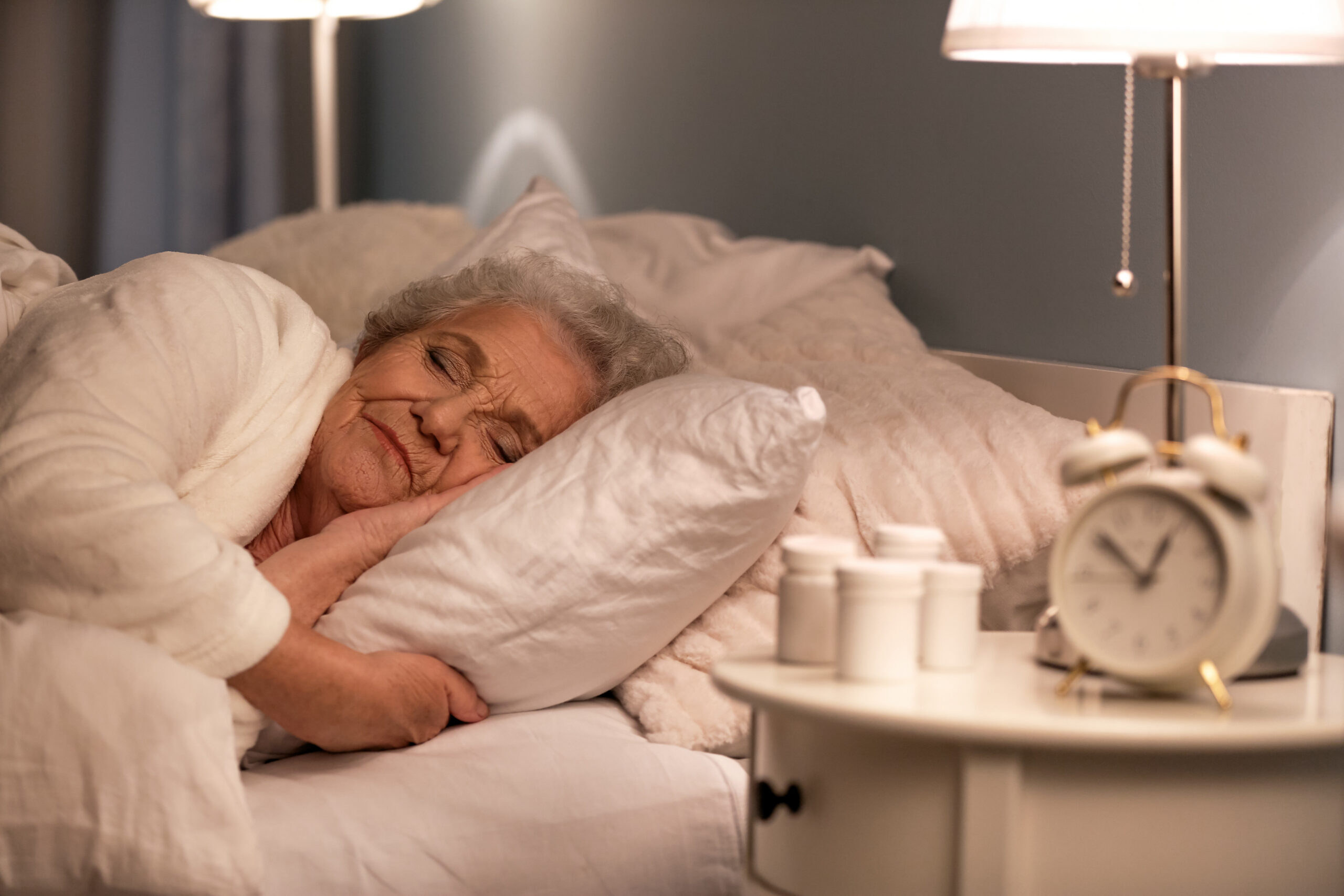
Sleep is your body’s nightly opportunity to recharge, repair and refresh.
Yet as you age, you may notice that rest doesn’t come as easily as it once did. This might make you think you need less sleep.
It’s a common misconception that sleep needs decrease with age. The reality is that while your sleep patterns may change, your body’s need for restorative rest remains the same.
In fact, the National Institute on Aging recommends older adults get seven to nine hours of sleep each night.
That can be easier said than done. Sleep gets lighter and less satisfying as you age. You may wake more often during the night, struggle to fall asleep at all, or rise earlier than you once did.
Capri understands the impact these sleep changes and challenges can have on your reset button and offers programs designed to help you rest easier.
The Role of Circadian Rhythm
One of the main reasons sleep changes as you age is your body’s internal clock, or circadian rhythm.
This biological system, controlled by structures in your brain, dictates when you feel alert and when you feel sleepy. As you age, these structures can become less stable, making your sleep more sensitive to disruption.
The Sleep Foundation reports that older adults produce less melatonin, have weaker circadian signals, and often experience decreased exposure to natural daylight; all of which can make sleep lighter and more fragmented. These changes can cause early evening sleepiness and waking up at dawn.
You might nap during the day to compensate for your restless nights. Brief naps can help, but longer afternoon naps can throw off your body’s internal clock.
Participating in Capri programs, such as gentle exercise in the morning or structured social activities, can help regulate your sleep schedule, reinforce circadian rhythms and reduce your need for daytime naps.
Why Quality Sleep Matters
Even with these natural changes, sleep is still essential for your health.
The National Council on Aging links insufficient sleep to heart disease, diabetes, cognitive decline and depression. Poor sleep can also impair your balance, reaction time and coordination, increasing your risk of falls. Studies also link consistent and quality rest to longer, healthier lives.
Common Sleep Concerns
Your are not alone in your sleep struggles. Research shows that 40% to 70% of older adults experience chronic sleep issues, many of which go undiagnosed. Several factors that make sleep more difficult, include:
- Insomnia, often driven by stress, medical conditions, medications or lifestyle changes.
- Sleep apnea, which causes repeated pauses in breathing during sleep and can lead to fatigue, cardiovascular strain and cognitive difficulties.
- Chronic pain, nighttime urination and movement disorders such as restless legs syndrome.
- Multiple health conditions and the medications used to manage them can disrupt sleep too. Research shows that polypharmacy, the practice of taking several medications simultaneously, reduces sleep quality.
- Lifestyle changes, such as retirement, social isolation or reduced physical activity, also can weaken circadian rhythms and increase stress or anxiety.
Tips for Improving Your Sleep
The good news is that you often can improve your sleep through simple habits, and Capri Communities offer resources that can help.
Capri offers meditation sessions to calm your mind before bedtime, gentle exercise classes that support better sleep and daytime energy, spiritual practices that promote relaxation and routine, and educational programs that arm you with tools to make lasting improvements.
You can further beef up your sleep by:
- Maintaining a consistent schedule. Go to bed and wake up at the same time each day.
- Getting regular exercise. Exercise paired with morning sunlight helps your circadian rhythm and improves sleep quality.
- Creating a calming bedtime routine. Sticking to routine and keeping your bedroom cool, dark and quiet encourages restorative rest.
- Limiting caffeine and alcohol. Avoiding caffeine and alcohol later in the day prevents fragmented sleep.
- Reducing screen time before bed. Blue light emitted from screens can interfere with melatonin production.
- Keeping naps brief and earlier in the day.
However, you may do everything right and still struggle to sleep. In those cases, your sleep problems may require medical attention.
Persistent insomnia, loud snoring, excessive daytime sleepiness, or frequent nighttime awakenings may signal underlying issues such as sleep apnea or mood disorders. Treatments like cognitive behavioral therapy for insomnia (CBT-I) are highly effective and are often preferred over long-term sleep medications.
Prioritize Your Rest, Embrace Your Days
As you grow older, high-quality rest becomes more vital, fueling memory, emotional well-being, heart health and physical vitality.
By committing to healthy sleep habits, taking part in supportive programs like those offered at Capri Communities, creating a safe and soothing sleep environment, and seeking help when needed, you can transform your nights into a source of energy, clarity and resilience.
Prioritizing sleep is your prescription for living fully, staying strong and embracing each day with vitality. The nights you protect are the days you thrive.